7 Unique Things About Comoros That Made Me Fall in Love with This Little African Nation
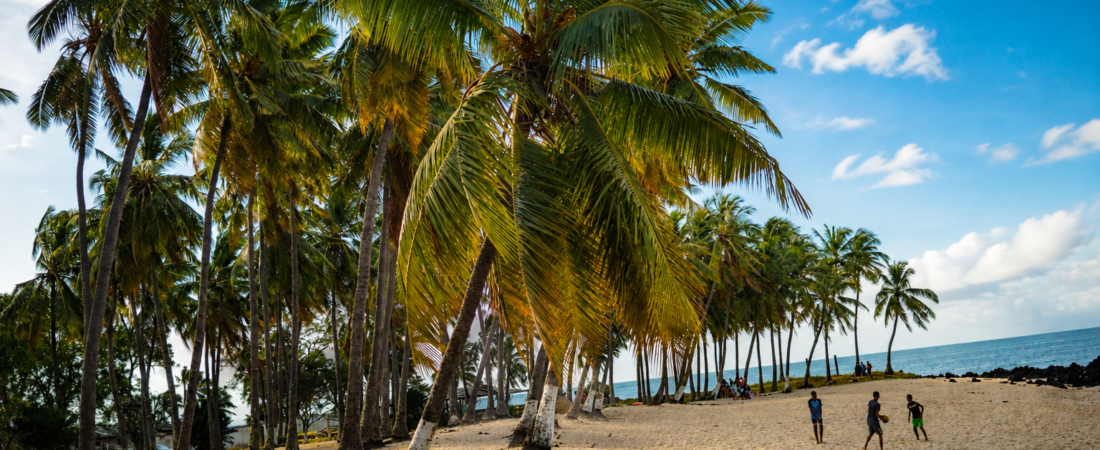
When I first heard the name Comoros, I knew almost nothing about the country. I imagine many Indonesians would feel the same way. This small island nation in the Indian Ocean, off the eastern coast of Africa, rarely appears in the news, on social media, or even in the books we grew up reading.
But after living here, my perspective completely changed.
Comoros may not have towering skyscrapers, huge shopping malls, or the fast-paced lifestyle of major cities. In fact, its simplicity is one of the things I have come to love most.
Behind its small size is a place filled with warm people, beautiful traditions, fascinating customs, and a way of life that still feels deeply connected to nature.
Every day, I seem to discover something that makes me think,
“I can’t believe there are still places like this in the world.”
These are some of the things that have made Comoros so memorable to me.
1. A Remarkable Culture of Trust and Sharing
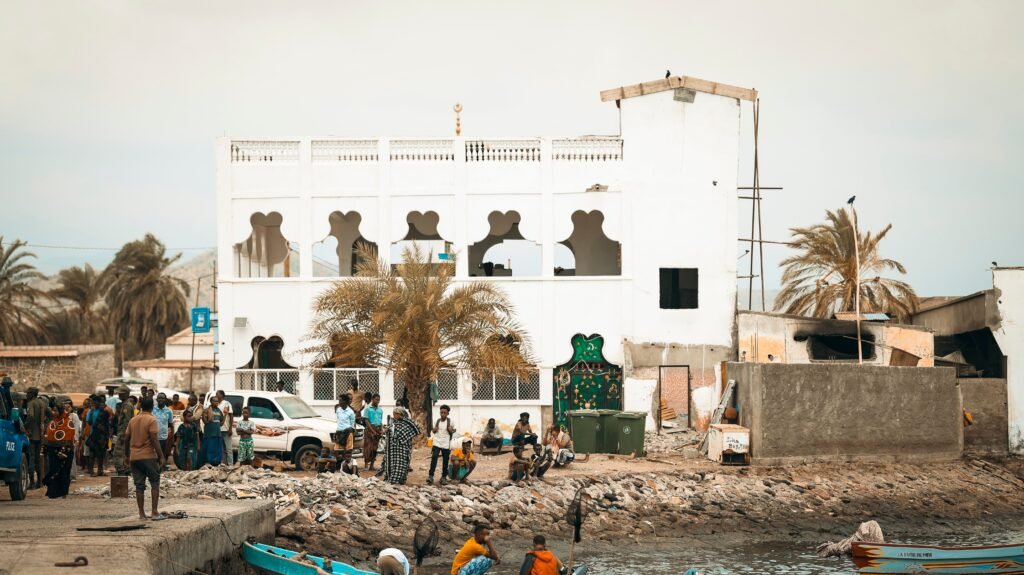
One of the first things that surprised me after moving to Comoros was the level of trust and generosity I saw between people.
It is quite common to see someone standing by the side of the road, raising a hand to ask for a ride. What surprised me even more was how often drivers would simply stop and let them in.
I have seen my husband do this many times stopping the car for someone we had never met and offering them a ride to wherever they were going.
But the culture of sharing here goes beyond giving someone a lift.
There was something else that surprised me even more: people can actually stop by the roadside and ask someone to share their food.
I have seen people approach someone who was carrying food and simply ask if they could have some. At first, I found this unusual. In many places, asking a stranger to share their food might feel awkward or even embarrassing.
But here, it can be surprisingly natural.
What touched me most was the response. The person being asked would often share what they had without making it into a big deal. Sometimes, they would even give more than what was asked for.
I experienced this kindness myself one day when I was having difficulty finding a place to pray. A local family welcomed me into their home without hesitation. They not only allowed me to use their space for prayer, but also treated me like a guest, offering me food and drinks and even giving me something to take home.
At first, I wondered if they were being especially kind because I was a foreigner.
But as I spent more time in Comoros, I realized that this kind of generosity was not reserved for visitors like me. I saw people extending the same kindness to fellow locals and even to travelers they barely knew.
Of course, this does not mean that everyone in Comoros trusts everyone, or that every person will always give whatever is asked of them.
But compared with many places I have known, there is something remarkably open about the way people ask for help, offer rides, and share what they have.
To me, these simple moments reveal something much deeper: social connections in Comoros can still feel incredibly close and personal.
2. Nature Is Still a Part of Everyday Life
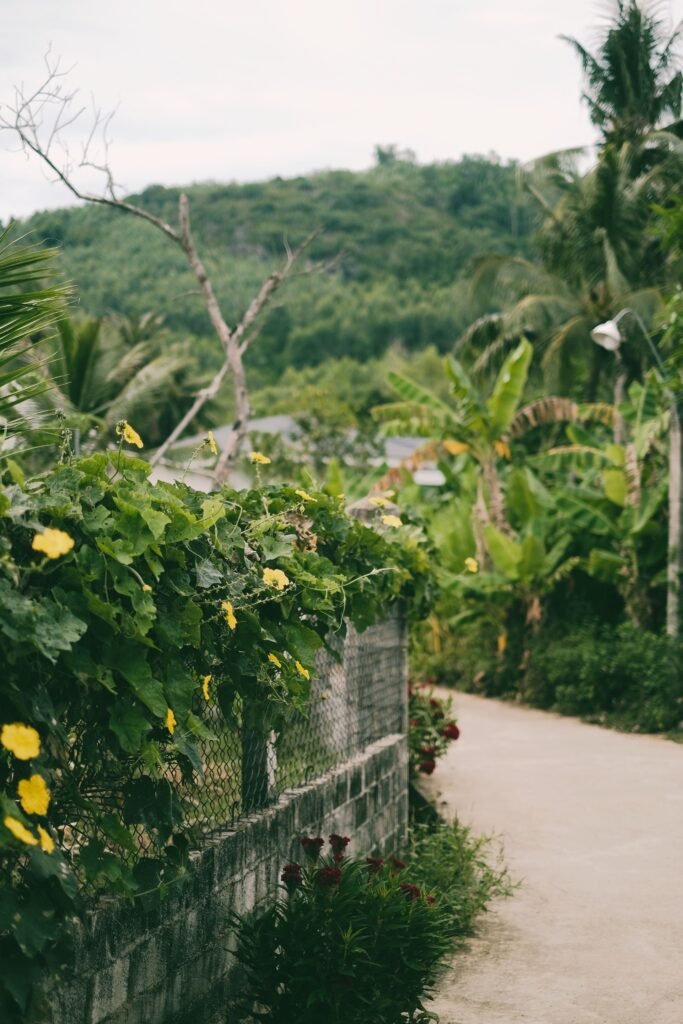
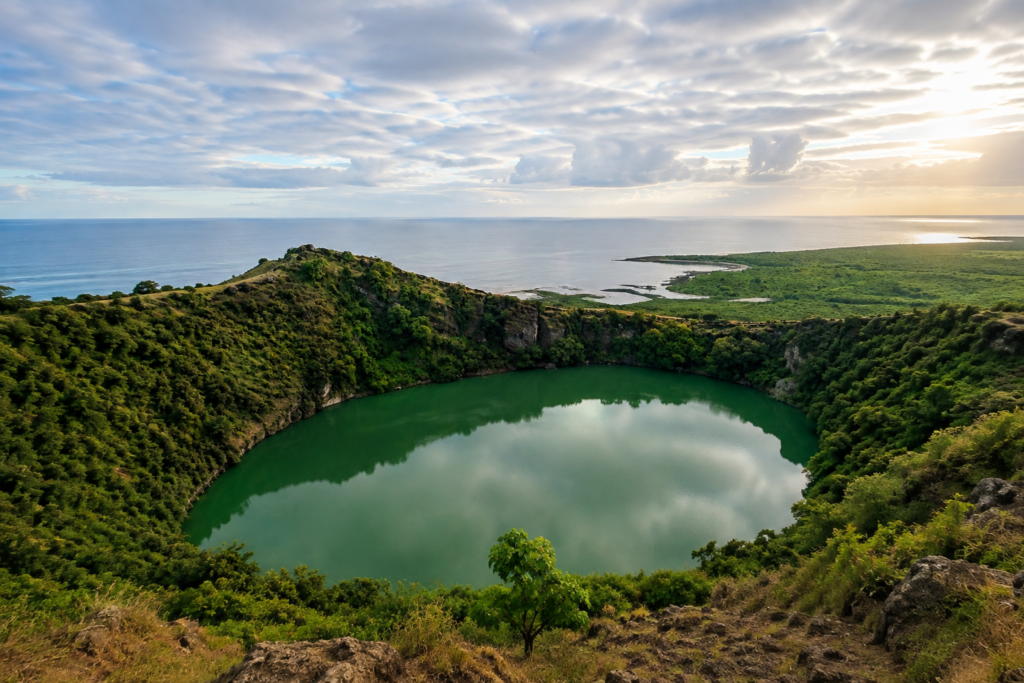
If there is one thing that becomes especially noticeable when you live in Comoros, it is how closely people’s daily lives are connected to nature.
The country is surrounded by the ocean and shaped by volcanic landscapes, green mountains, plantations, and tropical vegetation. Places that might be considered tourist attractions elsewhere can simply be part of the scenery people see every day.
One plant that particularly caught my attention is ylang-ylang.
This small, fragrant flower has a distinctive and beautiful scent and is one of the natural products associated with Comoros. Its oil is used as an ingredient in perfumes and other scented products.
What fascinates me is the journey from something growing naturally in the islands to something that can eventually become part of a luxury perfume.
The next time you smell an elegant fragrance, you might never imagine that one of its natural ingredients could have come from a small group of islands in the Indian Ocean.
And the relationship between nature and daily life does not stop with ylang-ylang.
It can also be tasted in the food.
Many traditional home-cooked dishes are still prepared using simple, natural ingredients rather than relying heavily on instant seasonings or packaged products. Flavors often come from fresh ingredients, herbs, spices, and traditional cooking methods.
Coconut, for example, is much more than a tropical tree growing around the islands. It is an important part of the kitchen. Coconut milk is made directly from fresh coconut rather than from a carton or instant packet.
Then there is vanilla, which can be used directly from the plant. When natural vanilla is added to food, you can sometimes see the tiny black seeds throughout the dish—something you simply do not get from ordinary powdered or bottled flavoring.
There is something beautiful about seeing ingredients in their most natural form.
Flowers become perfume. Coconuts become coconut milk. Vanilla comes from the plant. Fresh ingredients go straight into the kitchen and are transformed into food.
Here, nature is not simply something beautiful to look at.
It is something people use, cook with, create with, and live alongside every day.
And perhaps that is one of the most beautiful things about Comoros that you cannot fully understand from a photograph of its beaches.
3. Big Wedding Celebrations Can Happen When the Couple Is Already Older
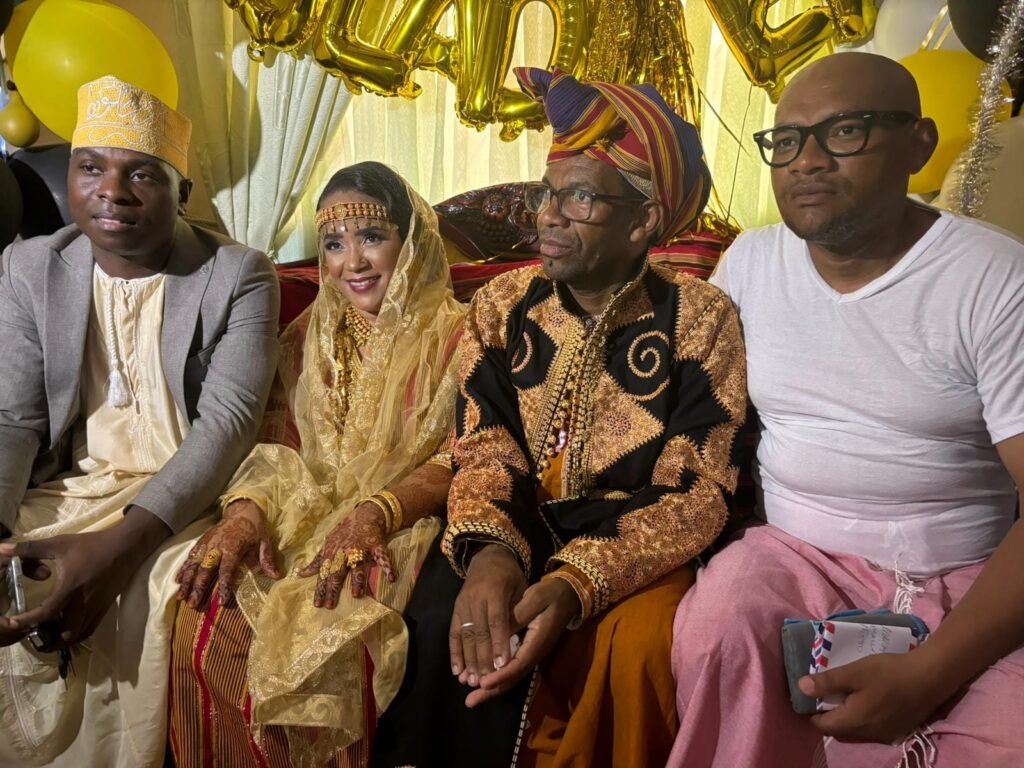
This is probably one of the traditions that surprised me the most when I first started attending weddings in Comoros.
I have attended wedding celebrations where the bride and groom were already older, sitting together in their wedding chairs while being surrounded by their grown-up children.
At first, I assumed it must have been a second marriage.
But it wasn’t.
In Comoros, weddings can involve several stages of celebration. When a young couple gets married, the actual marriage ceremony may be relatively intimate, with close family members gathering together for food and a simple celebration.
For families with greater financial means, the initial celebration can certainly be more elaborate.
But the large wedding celebration may come years later—sometimes when the couple is much older, financially established, or when their children have grown up and are able to help sponsor the celebration for their parents.
This means it is not unusual to see an older couple dressed as newlyweds, surrounded by their adult children.
And the celebrations can be quite elaborate.
There may be a large celebration for the couple, followed by separate celebrations for women and men. The bride may have an event attended only by women, while the groom has a separate celebration for male guests.
These celebrations can involve significant expenses, particularly when it comes to clothing, gold, gifts, food, decorations, and other preparations. For some middle-class families, the total cost can reach a very substantial amount.
Guests also contribute by giving money to the newlyweds or their families, and the amounts can be quite generous.
What fascinates me is that a wedding here is not simply a celebration of two people getting married.
It can become a celebration of the entire family—something that may continue to be marked and remembered for years.
4. Architecture with African, Arab, and European Influences
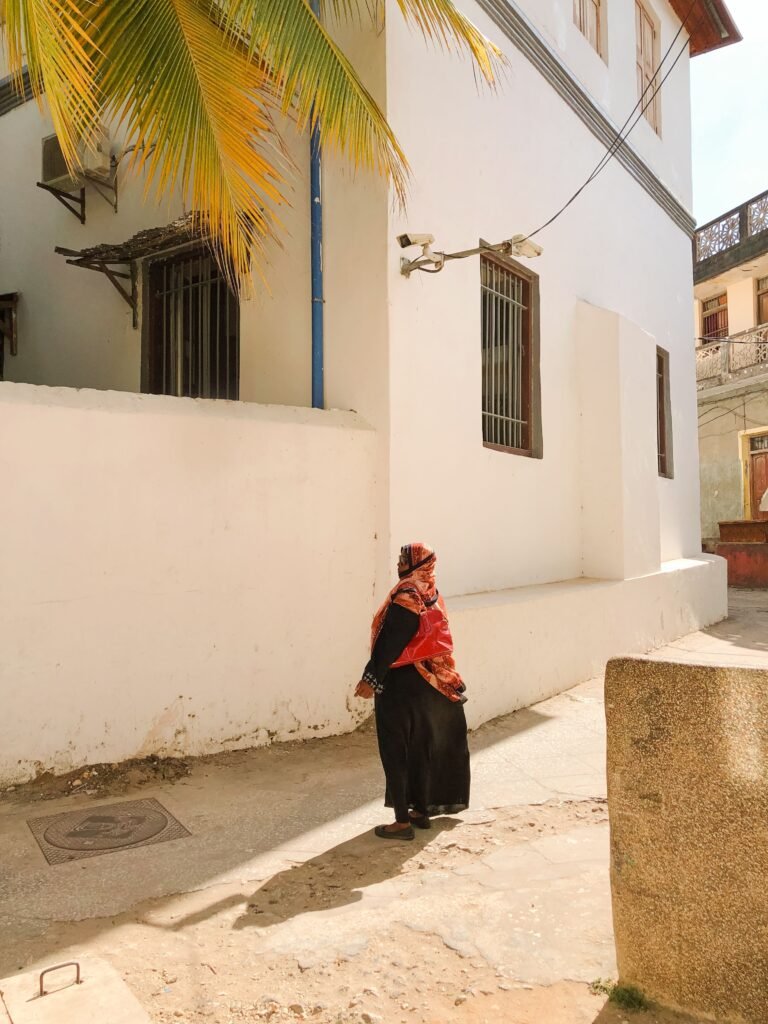
Another thing that often catches my attention is the architecture.
Some buildings in Comoros have a fascinating mixture of African, Arab, Indian, and European influences, reflecting the country’s history and its position in the Indian Ocean.
Many homes are built with stone or concrete and may look simple at first glance. But when you pay closer attention, you begin to notice details that give them character.
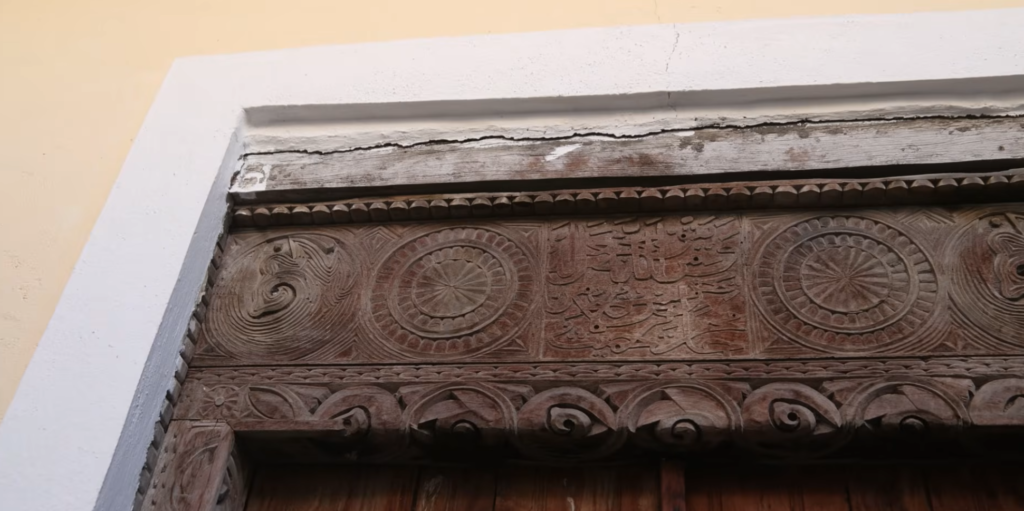
One of my favorite details is the wooden doors.
Some doors are beautifully carved by hand, with intricate patterns and sometimes Arabic lettering or decorative elements. A finely crafted wooden door can be surprisingly valuable and can become an important feature of a home.
At first, I might have simply seen an old wooden door.
Now, I see the craftsmanship behind it.
For me, these details are a reminder that a home is not simply a place to live. It can also reflect a family’s history, taste, traditions, and pride.
5. Traditional Wood-Fired Kitchens Still Have Their Place
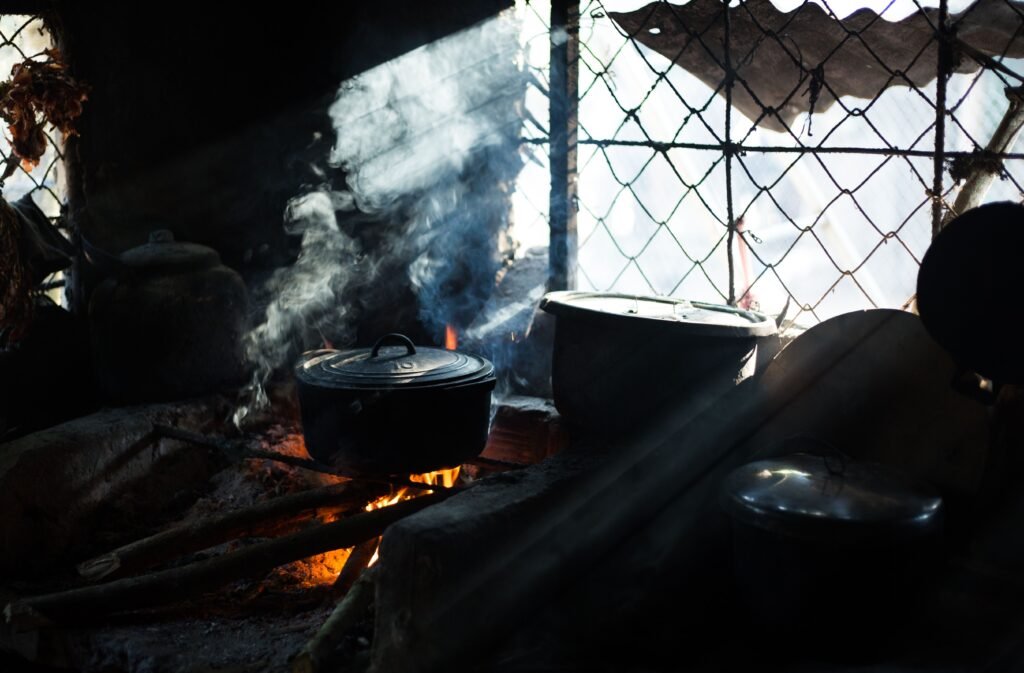
One of the things I find particularly interesting is that some households maintain a traditional cooking area even when they already have a modern kitchen.
These spaces are usually much simpler. They may have stone or cement walls and a floor that is unfinished or made of bare concrete or earth. Their main purpose is to provide a place for cooking over firewood.
At first, I wondered why people would continue using a traditional wood-fired kitchen when they already had modern cooking facilities.
One of the answers is simple: flavor.
For some families, food cooked over firewood simply tastes different. It is also a cooking tradition that has been passed down through generations.
So even as modern conveniences become part of everyday life, traditional ways of cooking have not completely disappeared.
I find that beautiful.
It is a small example of how old traditions and modern life can exist side by side.
6. A House May Be Finished When they Gets Married
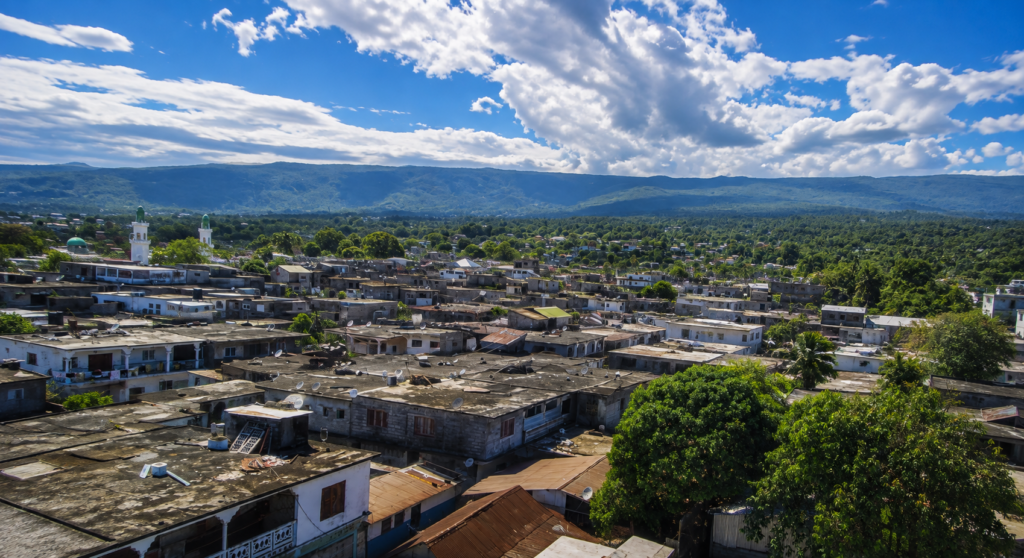
When I first arrived in Comoros, I sometimes noticed houses that looked unfinished.
Some had unpainted walls, exposed blocks, unfinished floors, or exterior walls that had never been given their final coat of paint.
At first, I assumed that perhaps the owners simply could not afford to finish them.
But I later learned that there can be another story behind it.
In some families and communities, completing or improving a house can be connected to important family events, including a child’s marriage.
When a daughter gets married, for example, the husband’s family may play a role in helping to complete or improve the family’s home.
So a house that looks unfinished from the outside does not necessarily mean that it has been abandoned or that the owners have no intention of completing it.
Sometimes, there is simply a different timeline.
There may be a particular occasion when the family decides it is time to finish the walls, paint the exterior, improve the floors, or make other changes to the house.
Learning this completely changed the way I looked at these buildings.
What I once saw as an unfinished house could actually be part of a much bigger family story.
7. Prayer Cap: A Small Piece of Clothing with a Personal Story
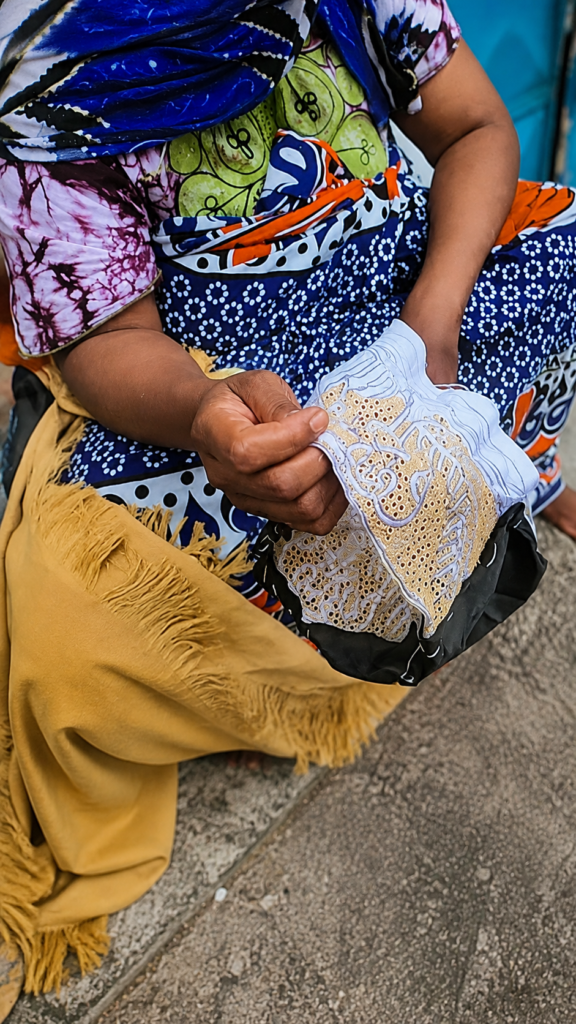
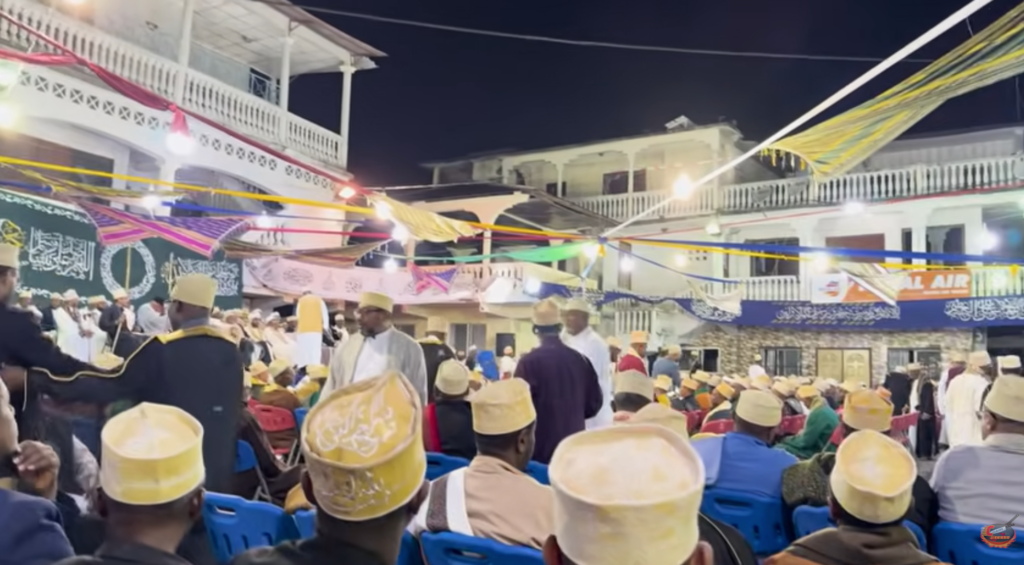
One of the smaller details of life in Comoros that I find fascinating is the prayer cap, a traditional cap worn by men, especially for everyday life and certain occasions.
At first glance, it may look like an ordinary cap.
But there can be a much more personal story behind it.
I have seen this cap decorated with hand stitching, including Arabic lettering or patterns. What makes this especially meaningful is that the embroidery can be made by a wife for her husband.
So this is not necessarily just another piece of clothing.
It can carry a personal touch.
Imagine a wife carefully stitching a prayer cap for her husband and decorating it with Arabic-inspired patterns or lettering. Something as simple as a small cap can then become a personal gift, carrying the time, skill, and affection of the person who made it.
That is one of the things I find beautiful about life in Comoros.
Sometimes, the most ordinary objects have stories of their own.
When I see a man wearing a carefully embroidered prayer cap, I no longer see just a traditional cap. I see a small piece of craftsmanship that may have been made with patience and love.
For someone visiting from outside, it might simply be part of a man’s muslim clothing.
But after living in Comoros, I have learned that even the simplest things can carry meaning.
What Comoros Has Taught Me
The longer I live in Comoros, the more I realize that a country does not have to be large to have a big story.
Comoros may not yet be one of the world’s most talked-about destinations. Its name may still be unfamiliar to many people, including many Indonesians.
But perhaps that is exactly what makes it so fascinating.
Here, I have discovered a society where trust and generosity can still feel very personal, where weddings can become family celebrations years after the marriage, where traditional cooking methods continue alongside modern kitchens, where natural ingredients are still deeply connected to food, and where even something as simple as a man’s cap can carry a story of love and craftsmanship.
Comoros is not perfect, and life here is certainly not always easy.
But perhaps that is not what makes a place worth loving.
Sometimes, it is the imperfect, unexpected, and deeply human things that stay with us the longest.
Comoros may be only a small group of islands in the Indian Ocean.
But after living here, I have learned that even the smallest place on the map can hold stories big enough to fill a lifetime.