Everything You Need to Know Before Visiting Dubai and What Happens If You Want to Stay Longer
Maybe you are planning a holiday in Dubai. Or maybe your reason is a little different.
Perhaps you want to visit family. Maybe you want to explore job opportunities. Maybe you have always dreamed of working in the UAE. Or perhaps you are thinking about starting a business and building a new life there. Whatever your reason, there is usually one question that comes first:
What kind of visa do I need?
Dubai visa information can sometimes feel confusing. There are tourist visas, visit visas, jobseeker visas, residence visas, investor routes, and long-term options such as the Golden Visa.And then there are the questions people often ask privately:
Can I enter Dubai as a tourist and find a job?
What if a company wants to hire me?
Can I stay longer?
How much money do I actually need?
What if my visa is rejected?
Does having a visa guarantee that I can enter Dubai?
So instead of giving you another ordinary visa checklist, let’s talk about the questions travelers are sometimes afraid to ask.
1. Can I Work in Dubai With a Tourist Visa?

Let’s start with one of the biggest questions. Can I enter Dubai as a tourist and then find a job? The short answer is:
You cannot legally work in the UAE while holding only a tourist or visit visa.
The UAE Government specifically warns that a visit or tourist visa does not give someone the right to work. If an employer wants to hire you, the appropriate employment and work-permit process must be completed before you begin working. But there is an important difference between working and looking for work. You may be interested in finding opportunities in Dubai, attending interviews, meeting potential employers, or exploring your career options. In fact, the UAE has a specific jobseeker visit visa for eligible foreigners who want to search for employment without requiring a host or sponsor. It is available for 60, 90, or 120 days, subject to the applicable eligibility requirements.
So if your real purpose is to look for a job, it is worth investigating the proper jobseeker route instead of assuming that a tourist visa is the best option.
But what if I am already in Dubai as a tourist?
Imagine this.
You arrive in Dubai with a 30-day tourist visa. You start sending your CV everywhere. You attend interviews. You meet people. And then, unexpectedly, a company says: “We would like to hire you.” That sounds wonderful. But you still cannot simply start working the next day while remaining on your tourist visa.
The employer needs to complete the appropriate employment process, and you need to have the correct legal status before starting work. The UAE Government also warns people about labour and visa fraud. If someone offers you a job, you should receive a legitimate employment offer and verify it through the appropriate UAE authorities.
And please be careful if someone tells you:
“Start working now. We will fix your visa later.”
That is not a risk worth taking.
“I’ll Just Go to Dubai and Find a Job.”
Many people have this idea. And honestly, it is understandable. Dubai is full of international companies, hotels, restaurants, retail businesses, construction companies, startups, offices and service industries. From the outside, it can seem as though there must always be another opportunity waiting. But finding a job is not the same as finding an employer who is willing to hire you. You may compete with hundreds of applicants. You may attend several interviews without receiving an offer. You may discover that a company wants someone with very specific experience. Or you may simply run out of time before finding the right opportunity. And when your visa has an expiry date, the pressure can become even greater.
That is why I would be careful about travelling to Dubai with all your savings depending on finding a job within a few weeks. If you have strong professional experience, savings, family support, or an existing connection with an employer, your situation may be different.
But if your budget is limited, the risk can be significant.
What If I Have Enough Money to Start a Business?
This is where another possibility comes in. Some people think:
“If I cannot find an employer, maybe I can create my own business.”
The UAE does offer business and investment-related residence pathways.
For example, the UAE Government states that the Green Residence includes a route for investors establishing or participating in commercial activities in the UAE. The UAE also has Golden Visa categories for eligible investors and entrepreneurs. But there is something very important to understand:
Opening a company does not automatically mean you qualify for a Golden Visa.
Your business structure, investment, activity, eligibility and immigration category all matter. And if your savings are limited, spending a large portion of your money on a company setup simply because someone promises you a visa can be a risky decision. A residence permit may give you the legal ability to stay.
It does not guarantee that your business will make money.
We’ll come back to this topic at the final section, so stay reading. By then, you’ll have a much clearer picture of how everything works, and which option might actually be right for you.
2. Do I Actually Need a Visa to Visit Dubai?

Before you book your flight to Dubai, there is one thing you should check first: Does your passport require a visa? The answer depends on your nationality and passport type.
The UAE has different entry arrangements. Some nationalities can enter without obtaining a visa in advance, some are eligible for a visa on arrival, while others need to arrange a visa before travelling. There are also nationalities that may be eligible for an electronic visa or another pre-arranged entry permit. So, don’t rely on what your friend, partner or someone on TikTok experienced.
Check the rules for your own passport.
Where Can I Check If My Passport Is Visa-Free?
The safest place to start is the official UAE Government visa information. The UAE Government publishes an official list showing the entry arrangements for different nationalities, including whether a nationality is:
- Visa-free
- Visa on arrival
- Visa required
- Electronic visa / eVisa
- Subject to other specific arrangements
The list is available as an official UAE Government document, and it is much safer to check this than relying on an old travel blog or social-media post. You can also check the official General Directorate of Identity and Foreigners Affairs Dubai (GDRFA) website. GDRFA specifically provides information about which nationalities can obtain a visa on arrival in Dubai.
Official places to check:
UAE Government – Visa Exemptions
Check the official UAE visa-exemption list
GDRFA Dubai – Visa on Arrival
Check Dubai’s official visa-on-arrival information
Tip: Always check shortly before your trip because immigration policies can change.
What If My Nationality Is Not Visa-Free?
Don’t worry. It doesn’t necessarily mean that travelling to Dubai is difficult. It simply means you may need to arrange your visa before travelling. For Dubai, the process depends on the type of visa you need and how your application is being submitted.
For example, GDRFA Dubai currently provides a digital service for certain single-entry tourist visas. The application can be submitted through its website or smart application, with the applicant logging into the system, completing the application and paying the applicable fees.
However, there is an important detail that many travelers miss. GDRFA states that this particular tourist visa service requires the sponsor/host in the UAE to be a tourism establishment, and that only accredited tourism offices in Dubai can issue this type of visa.
So, seeing an “online application” option does not necessarily mean that every traveler can simply complete the entire tourist visa process independently with a credit card.
The exact process depends on your circumstances.
Where Can I Apply for a Dubai Tourist Visa?
If your nationality requires a visa before travelling, there are several possible routes depending on your situation.
1. Through an Accredited Tourism Office
For certain Dubai tourist visas, an accredited tourism establishment can submit or process the application on your behalf. This can be useful if you are travelling from a country where applying directly online is not available or where the application requires a UAE-based sponsor/host. GDRFA publishes information about the tourism establishments and service centers involved in its visa services.
2. Through the Official GDRFA Digital Service
For eligible applications, GDRFA provides digital channels through its website and smart application. The current process includes:
Login → Choose the visa service → Complete the application → Upload/provide the required information → Pay the fees.
You can start from the official GDRFA website:
GDRFA Dubai — Official Immigration Services
3. Through an Airline or Other Approved Channel
Depending on the visa category and your circumstances, some UAE entry visas can also be arranged through airlines, hotels, tourism companies or other approved sponsors. GDRFA explains that hotels and tourism companies can apply for certain visit and tourist visas on behalf of travelers, while other organizations or UAE residents may be able to sponsor certain types of visit visas. This is why you should not assume that there is one universal Dubai visa application website for every nationality.
There isn’t. The correct route depends on:
your passport + your visa type + your purpose of travel + who is sponsoring/hosting you.
What If I Cannot Apply Online Myself?
This is especially important for travelers from nationalities where a straightforward online self-application isn’t available. You may need to use an approved tourism office, travel agency, hotel, airline or another eligible sponsor, depending on the visa category. For example, GDRFA’s tourist visa service specifically states that accredited tourism offices in Dubai can issue the relevant tourist visa. That doesn’t mean you should give your passport and money to just anyone who advertises on social media.
Before paying an agency, ask:
“Are you an accredited tourism office or an authorized visa service provider?”
Then ask for a clear breakdown of:
- Government visa fee
- Agency/service fee
- Insurance cost
- Any security deposit
- Processing time
- Refund policy if the visa is refused
- What happens if additional documents are requested
And most importantly:
Ask who is actually sponsoring or processing your visa.
What About Applying at a UAE Embassy?
This is another area where travelers can easily become confused. Not every tourist visa application is simply a matter of walking into a UAE embassy and asking for a tourist visa. For Dubai tourist visas, the official GDRFA process often involves an eligible tourism establishment or sponsor, depending on the visa category. So if you cannot find an online application route for your nationality, don’t immediately assume that you have to visit an embassy.
First, check the official UAE Government and GDRFA information for your nationality and visa type.
If necessary, contact the UAE embassy or consulate in your country for guidance on the correct application channel.
One More Important Thing: Visa Rules Can Change
This is why I don’t recommend saving a screenshot of a visa rule you found on Instagram and assuming it will still be correct six months later. For example, the official UAE visa-exemption document contains different arrangements for different passport nationalities, and those arrangements can include visa-free entry, visa on arrival, eVisa or a visa requirement.
Your safest sources are:
UAE Government
Official UAE Government visa information
GDRFA Dubai
Official GDRFA Dubai visa services
3. Is a Dubai Visa the Same as a UAE Visa?

You will often hear people say “I need a Dubai visa.” Technically, Dubai is one of the seven emirates that make up the United Arab Emirates.
The important thing for a traveler is not getting caught up in the wording, but understanding:
- Which authority is processing your visa
- What type of visa you have
- How long you are allowed to stay
- Whether it is single-entry or multiple-entry
- When your permitted stay ends
For Dubai-issued visas, GDRFA Dubai is the relevant immigration authority. For several other emirates, visa applications and status checks are handled through the federal ICP system. The UAE Government explains where travelers can apply and how visa services are divided between GDRFA and ICP. So when someone says “Dubai visa,” don’t worry too much about the phrase. Look at the actual visa and its conditions.
4. What Types of Dubai Tourist Visas Are Available?
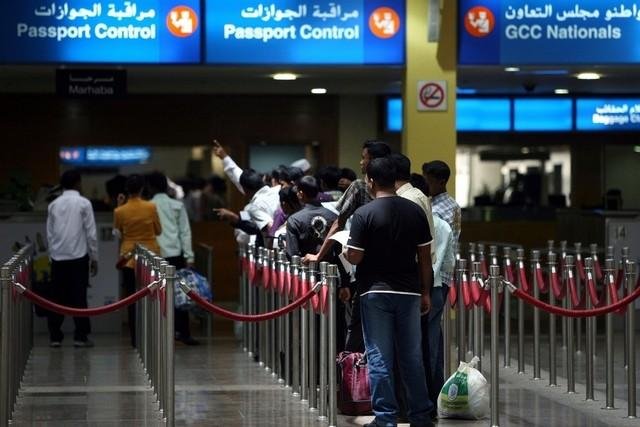
For many travelers, the most common options are short-term tourist visas.
GDRFA Dubai currently lists single-entry tourist visas for 30 or 60 days, as well as multiple-entry tourist visas for 30 or 60 days.
| Visa Type | Duration | Entry | Suitable For |
|---|---|---|---|
| 30-Day Tourist Visa | Up to 30 days | Single entry | Short holidays |
| 60-Day Tourist Visa | Up to 60 days | Single entry | Longer holidays |
| 30-Day Multiple Entry | Up to 30 days | Multiple | Frequent short visits |
| 60-Day Multiple Entry | Up to 60 days | Multiple | Longer/frequent visits |
| 5-Year Multiple Entry | Up to 90 days per stay | Multiple | Frequent UAE travelers |
One important thing to remember is that visa validity and permitted stay are not always the same concept. The five-year tourist visa, for example, does not mean you can live in Dubai continuously for five years as a tourist.
GDRFA Dubai states that holders of the five-year multiple-entry tourist visa can stay for up to 90 consecutive days, with the possibility of extending for a similar period, provided the total stay does not exceed 180 days in a year.
5. What Documents Do You Actually Need?

For a standard Dubai single-entry tourist visa, GDRFA currently lists:
- A personal photograph
- A copy of your passport
- A passport or travel document that meets the required validity conditions
- Other supporting documents depending on the application and nationality
For the five-year multiple-entry tourist visa, the listed requirements include a passport valid for at least six months, a six-month bank statement, health insurance and a round-trip ticket. Depending on your nationality, visa type and application channel, additional documents may be requested. That’s why I recommend preparing your documents before beginning the process.
My little travel tip:
Keep both digital and printed copies of important documents. Your phone may contain everything, but airports are not the best place to discover that your battery is suddenly at 3%.
6. Do I Really Need a Return or Onward Ticket?

For tourist visa applications, you should be prepared to provide proof of onward travel. GDRFA’s current tourist visa information includes a ticket to continue the journey or leave the UAE among the requirements. The five-year multiple-entry visa also requires a round-trip ticket.
This makes sense. A tourist visa is designed for a temporary visit, so authorities may want to see that you have a plan to leave the UAE within your permitted stay.
Before you fly:
Check that your return date makes sense with your visa conditions. And keep a copy of your ticket somewhere you can easily access it.
7. Do I Need a Hotel Booking?

This is another question where the answer can depend on the circumstances of your application. If you’re staying at a hotel, it is sensible to keep your reservation confirmation. If you’re staying with family or friends, the supporting documentation may be different depending on the visa and application channel.
The safest approach is simple: Ask what your specific application requires before you pay. Don’t assume that every tourist visa application has exactly the same checklist.
8. Can My Dubai Visa Be Rejected?

Yes.
A visa application is not automatically approved simply because you submitted the documents and paid a fee. Immigration authorities assess applications according to the applicable rules and requirements. That is why you should be cautious when you see advertisements promising:
“100% guaranteed Dubai visa.”
No honest travel professional can turn immigration approval into something you can simply purchase. If an agent promises guaranteed approval without even asking about your passport, circumstances or documents, take a step back.
Ask questions.
Find out what exactly you are paying for. And make sure you understand the refund policy if the application is unsuccessful.
9. Does Having a Dubai Visa Guarantee Entry?

No.
This is one of the most important things first-time travelers should understand. Having a visa does not mean that you will never be subject to immigration checks when you arrive. You should still travel with the documents that support your trip, such as:
- Passport
- Valid visa
- Return or onward ticket
- Accommodation information
- Travel insurance
- Other documents relevant to your circumstances
Think of your visa as permission to travel under specific conditions—not a guarantee that no further immigration checks will take place. This distinction is easy to overlook. But it is important.
10. How Much Does a Dubai Tourist Visa Cost?

This is where many travelers become confused. The price you see from an agency is not necessarily the same as the official government fee. For a Dubai single-entry tourist visa, GDRFA currently lists:
| Visa | Listed Fee |
|---|---|
| 30-Day Single Entry | AED 252 |
| 60-Day Single Entry | AED 352 |
GDRFA states that 5% VAT is added to these fees.
For multiple-entry tourist visas, GDRFA currently lists:
| Visa | Listed Fee |
|---|---|
| 30-Day Multiple Entry | AED 300 |
| 60-Day Multiple Entry | AED 500 |
Again, VAT and other applicable charges may affect the final amount.
So why does an agency charge more?
Because an agency may add:
- Processing fees
- Service fees
- Insurance
- Administrative charges
- Other applicable costs
So if one agency says AED 400 and another says AED 700, they may not actually be quoting the same thing.
Always ask:
“Is this the official government fee, or is this the total price including your service?” That simple question can save you from a lot of confusion.
11. What About the 5-Year Multiple-Entry Tourist Visa?

This is one of the most interesting options for frequent UAE travelers. The five-year multiple-entry tourist visa allows eligible travelers to visit the UAE multiple times without needing a new tourist visa for every trip.
But again:
Five years does not mean five years of continuous tourism.
GDRFA currently states that the holder can remain in the UAE for up to 90 consecutive days, with a possible extension for a similar period, provided the total stay does not exceed 180 days in one year. The requirements are also more substantial.
They include:
- Passport valid for at least six months
- Personal photograph
- Six-month bank statement
- Health insurance
- Round-trip ticket
- Evidence of a bank balance of USD 4,000 or equivalent during the six months preceding the application
GDRFA currently lists a total service amount of AED 3,713.50 for this service, including the listed guarantee and service-related charges. The final amount can vary according to the circumstances of the application. For someone who visits Dubai once every few years, this may not make much sense. For a frequent traveler, however, it can be a much more interesting option.
12. Can I Extend My Dubai Tourist Visa?

There are extension services available for eligible tourist visas. GDRFA Dubai currently lists a service for extending a tourist visa for single or multiple trips. The listed extension fee is AED 600, plus 5% VAT. Additional charges may apply depending on the applicant’s circumstances, including certain fees when the sponsored person is inside the UAE.
However, don’t make the mistake of assuming that every tourist visa can automatically be extended in exactly the same way. Your visa type matters. Your circumstances matter. And the decision ultimately depends on the applicable immigration rules and issuing authority.
My advice: Don’t wait until the final day. If you think you need more time, check your options before your permitted stay expires.
13. What Happens If I Overstay?

This is something you really don’t want to ignore. If your permitted stay expires and you remain in the UAE without the appropriate extension or status, you can face immigration fines and other consequences. The UAE Government confirms that tourists and visitors who overstay can be fined. The exact amount and applicable procedure should always be checked against the current rules for your visa.
So instead of relying on an old social-media post, check your visa status directly through the appropriate authority.
My simple trick: Put your visa expiry date into your phone calendar. Then set another reminder one week before it expires. It takes less than a minute. And it could save you a very stressful situation.
14. Should I Apply Through an Agency?
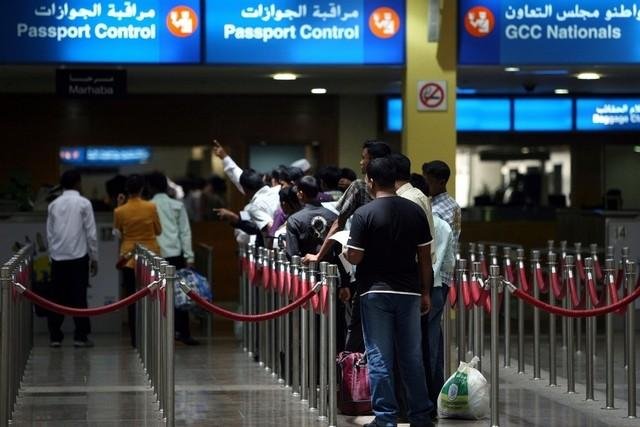
For many travelers, using an agency or approved tourism establishment can make the process easier. GDRFA Dubai states that its tourist visa service is sponsored/hosted through establishments working in the tourism sector for the relevant tourist visa service.
An agency may help you with:
- Preparing documents
- Submitting an application
- Tracking the application
- Communicating about missing information
- Handling administrative steps
But convenience comes at a price.
Before paying an agency, ask:
1. What is the official visa fee?
2. How much is your service fee?
3. Is health insurance included?
4. What happens if my visa is rejected?
5. Which authority is processing my visa?
6. Will I receive a copy of my approved visa?
7. Are there any additional charges later?
Never feel embarrassed to ask. You’re paying for a service, so you have every right to understand what you’re buying.
15. What If I Actually Want to Live in Dubai?

And now we come back to the question we started with. Maybe you came to this article because you were looking for a tourist visa. But while reading, you realized something: You don’t actually want to be a tourist.
Maybe you want to work. Maybe you want to build a career. Maybe you want to start a business. Maybe you want to stay in the UAE for several years. If that’s your real goal, then a tourist visa may only be the beginning of your research not the solution.
If Your Goal Is Employment
If you already have an employer who wants to hire you, the appropriate employment process is the route you should investigate. If you’re still looking for work, the UAE also offers a jobseeker visit visa for eligible applicants, with 60-, 90-, or 120-day options. That may be more appropriate than arriving on a tourist visa and hoping to find a job before your holiday ends. But even then, there is no guarantee that you will find employment.
You still need the right skills, experience, qualifications, and a realistic financial plan.
If You Have Enough Capital to Start a Business
This is where things can become more interesting. The UAE offers several business and investment pathways. The Green Residence, for example, includes a route for investors who establish or participate in commercial activities in the UAE. There are also Golden Visa categories for eligible investors and entrepreneurs. The UAE Government describes the Golden Visa as a long-term residence visa that can allow qualifying individuals to live, work or study in the UAE.
But please remember:
A Free Zone company does not automatically equal a Golden Visa.
There are specific eligibility requirements. So if someone tells you:
“Just open this company and you automatically get a Golden Visa.”
Don’t hand over your money immediately.
Ask:
- What type of residence visa am I actually applying for?
- What category do I qualify under?
- What are the eligibility requirements?
- What is included in the package?
- What happens if the Golden Visa application is not approved?
- How much will the company cost every year?
- What other costs will I have after the company is established?
These questions matter.
What If My Budget Is Limited?
This may be the most important part of the entire article. Dubai can look incredibly attractive from the outside. You see successful entrepreneurs. Luxury apartments. Beautiful offices. People talking about their businesses. People saying they moved to Dubai and changed their lives. And maybe they really did. But social media rarely shows the months when the business had no customers. It rarely shows the rent. The renewals. The licence fees. The insurance. The cost of living. The failed business idea. The job interviews that went nowhere.
Or the person who spent most of their savings trying to build a new life and eventually had to go home. So if you have limited savings, be very careful. Don’t spend your last money simply because someone tells you that a UAE company will give you a visa. A visa can give you legal residency if you qualify.
It cannot guarantee income. It cannot guarantee customers. It cannot guarantee employment. And it cannot guarantee that your business will succeed.
The Dream Is Possible But Don’t Let the Dream Make the Decision for You
There is absolutely nothing wrong with dreaming about Dubai. Maybe you want a better career. Maybe you want to experience life in another country. Maybe you want to build an international business. Maybe you simply feel that the UAE offers opportunities that you cannot find where you currently live. Those dreams can be real. But before making the move, ask yourself some uncomfortable questions:
How much money can I afford to lose?
What happens if I don’t find a job within three months?
What happens if my business doesn’t make money?
Do I have another source of income?
Can I afford accommodation and daily expenses while searching for work?
What is my backup plan?
These questions may not sound as exciting as:
“How can I get a Dubai visa?”
But they may be much more important.
Because getting permission to enter the UAE is only the beginning.
The real challenge is building a sustainable life after you arrive.
A Simple Way to Check Before Booking Your Flight
If you’re confused about where to start, follow these steps:
Step 1 Check your passport
Look at your nationality, not your country of residence.
Step 2 Check the official UAE visa-exemption list
Find your country and see whether your ordinary passport is marked:
Y Visa-free
Visa on arrival
e / eVisa Electronic visa
N Visa required
The official UAE Government list explains these symbols.
Step 3 If you need a visa, check GDRFA Dubai
Look for the visa category that matches your trip.
Step 4 Check whether you can apply digitally
Some services have an online application route through GDRFA’s website or smart application.
Step 5 If you cannot apply yourself
Look for an approved/accredited tourism establishment or another eligible sponsor for your visa category.
Step 6 Only then book your flight
This might sound overly cautious.
But believe me, checking your visa situation before buying a non-refundable ticket is much cheaper than discovering an immigration problem at the airport.
My Travel Tip
If you’re planning your first trip to Dubai, don’t start with “How much is a Dubai visa?” Start with: “Does my passport actually need one?” You might discover that you don’t need to apply for a visa at all. And if you do need one, find out exactly where and how you are supposed to apply before paying anyone. That little bit of research can save you money, time, and a lot of stress.
Final Thoughts
Dubai can be a wonderful destination. For some people, it is simply a place to spend a week enjoying beaches, shopping malls, restaurants and skyscrapers. For others, it becomes a place to build a career, start a company or create a new chapter in life. And those are very different journeys. If you’re travelling for tourism, choose the tourist visa that matches your nationality and travel plans. If you’re looking for work, investigate the appropriate jobseeker and employment routes. If you’re thinking about starting a business, understand the financial risk before paying for a company setup.
And if you’re dreaming about a long-term UAE residence such as a Golden Visa, don’t believe every advertisement you see online. Check whether you actually qualify. Most importantly, don’t choose a visa simply because it sounds like the easiest way to enter Dubai. Choose the visa that matches what you actually want to do there. Because a visa is not just a document. It is permission to enter or stay under specific conditions. And understanding those conditions before you travel can make the difference between an exciting new beginning and an expensive mistake.
Official Sources
For the most up-to-date information, always check the official UAE and Dubai immigration websites before applying.
GDRFA Dubai provides Dubai-specific immigration and visa services, including tourist visa issuance, multiple-entry visas and extensions.
UAE Government provides information on entry requirements, visa categories, jobseeker visas, residence options and immigration rules.
Related article
Thinking about opening a company in the UAE instead?
Read our next guide:
Can You Get a UAE Golden Visa by Opening a Free Zone Company?
In that article, we’ll look at the relationship between Free Zone companies, investor residence, Green Visa and Golden Visa, and—most importantly what you should know before spending your money on a UAE business setup.